
How to Aim Better in Call of Duty: Warzone — A Beginner's Aim Guide
Better aim in Warzone is not about copying a pro player's sensitivity and hoping it instantly fixes your gunfights. Consistent accuracy comes from controllable settings, strong crosshair placement, smooth tracking, recoil management and practice that targets the mistakes you actually make in matches.
Key takeaways
- Keep one sensitivity long enough to build consistent muscle memory instead of changing it after every bad match.
- Place your crosshair where an enemy is likely to appear before the fight begins.
- On controller, keep stick deadzones low enough for precise input but high enough to prevent unwanted drift.
- Train flicking, tracking and recoil control as separate skills.
- Identify whether your misses come from overshooting, poor tracking, recoil or bad crosshair placement before changing settings.
Quick aim problem diagnosis
| Symptom | Likely cause | What to try |
|---|---|---|
| Crosshair repeatedly passes beyond the target | Sensitivity too high or overly aggressive flicks | Lower sensitivity slightly and practise stopping exactly on a point |
| First shots connect but a moving target escapes | Weak tracking | Practise smooth horizontal target following |
| Crosshair shakes during small corrections | High sensitivity, tense input or hardware issue | Relax the movement and verify the input device |
| View moves without input | Stick drift or deadzone set too low | Check the controller and raise the deadzone only as much as necessary |
| Initial aim is good but the burst drifts away | Poor recoil control | Learn one weapon's behaviour and practise controlled bursts |
Good Warzone aim starts before you pull the trigger
Make the shot easier before trying to become faster
Beginners often think better aim means being able to snap across the screen as quickly as possible. In actual Warzone gunfights, the starting position of your crosshair matters just as much. If you move around while looking at the floor or keep the center of the screen far away from doors and corners, every encounter requires an unnecessary correction before you can even begin shooting. A player with average reaction speed and excellent centering can therefore acquire targets faster than someone who relies on dramatic flicks.
Build the habit of moving your crosshair through locations where an enemy could realistically appear. When entering a room, transition between doorways, stairs and common pieces of cover. When approaching a corner, aim toward the space that will become visible rather than staring into the wall beside you. This reduces the distance your hand or stick has to correct after spotting an opponent, making your aim feel faster without requiring a higher sensitivity.
- Keep the crosshair near likely enemy positions as you move.
- Prepare your aim before exposing yourself around a predictable angle.
- Scan cover in a deliberate order instead of moving the crosshair randomly.
Choose a sensitivity you can actually control
Mouse and controller need different tuning methods
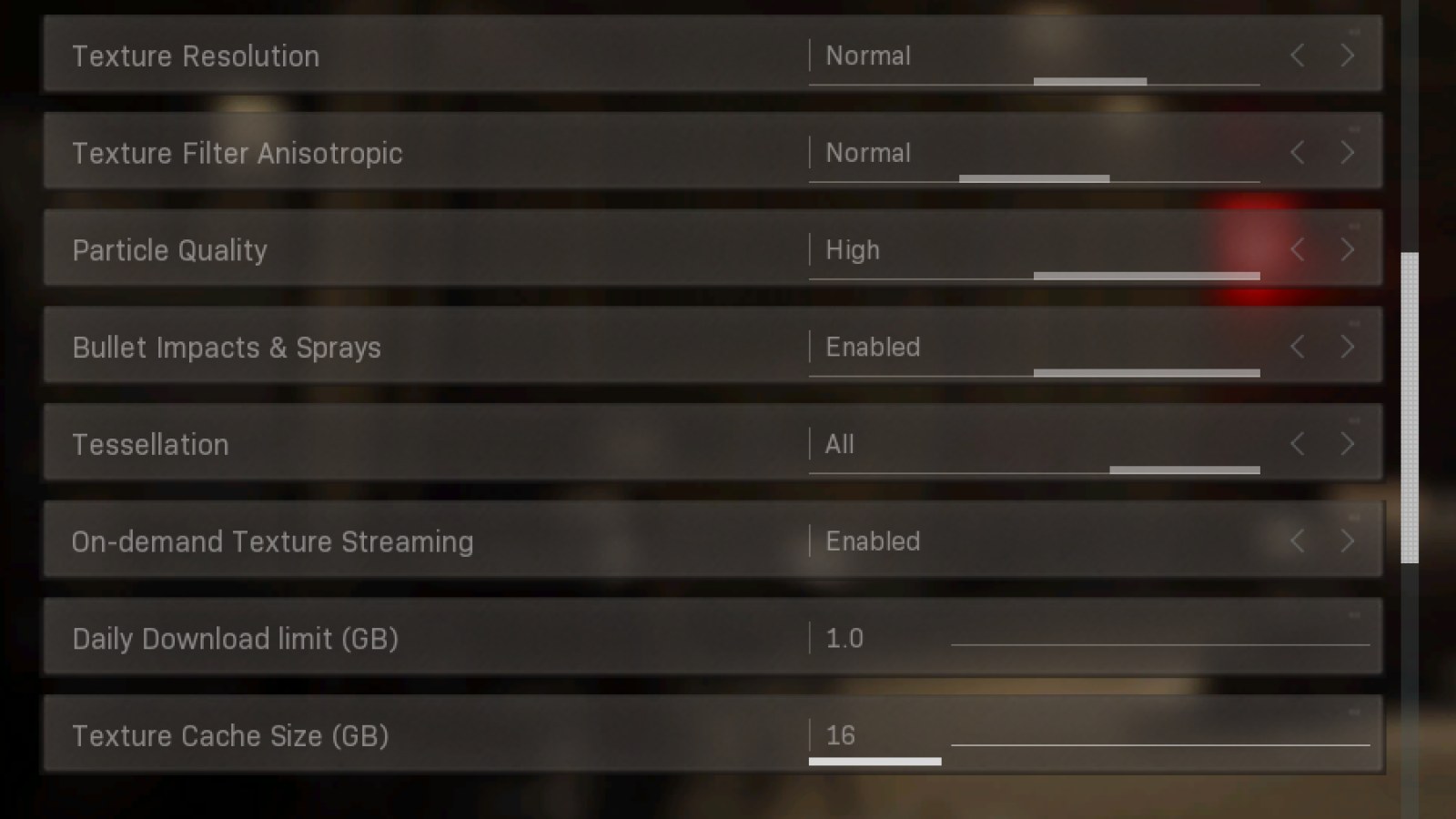
There is no universal best sensitivity. A setting that is too fast makes small corrections difficult and often causes the crosshair to pass beyond the target. A setting that is too slow can make close-range turns and target tracking uncomfortable. For mouse users, keeping DPI consistent and making most adjustments with the in-game sensitivity makes testing easier. Pick two points on screen, move between them repeatedly and watch whether you tend to stop beyond the target, short of it or close to the intended position.
Controller players should also pay close attention to stick deadzones. A large deadzone means the stick must travel farther before the game detects movement, which can make tiny adjustments feel unresponsive. A very small deadzone can reveal stick drift and create unwanted camera movement. Reduce it gradually until the stick reacts quickly while still returning to a stable neutral position. Option names and available ranges can change with game updates, so focus on what the setting does rather than chasing a specific number from another player's setup.
- Change one setting at a time.
- Test a new sensitivity over several sessions rather than several minutes.
- If small targets are constantly overshot, investigate sensitivity before assuming your reactions are the problem.
Crosshair placement and pre-aiming create easier gunfights
Let positioning do part of the aiming for you
Centering is the practice of keeping the middle of the screen close to the likely location of your next opponent. It is especially valuable in Warzone because players frequently appear around doors, windows, stairways, rooftops and pieces of cover. Instead of waiting to see a full character model and then making a large correction, you can prepare for the contact in advance. Avoid dragging the crosshair along the ground while moving. Raising it only after an opponent appears adds another step to an already fast engagement.
Pre-aiming does not mean staying in ADS for the entire match. It means recognizing situations where contact is likely. If you hear movement behind a doorway or know an enemy is holding a nearby piece of cover, aiming before you expose yourself creates a much more repeatable first shot. At the same time, excessive ADS can restrict awareness and movement. Learn to distinguish between an area that is genuinely dangerous and one where keeping full mobility and a wider view is more useful.
- Choose the first angle you will clear before entering a room.
- Move smoothly from one possible enemy position to the next.
- Keep the crosshair around useful body height instead of constantly correcting upward.
Tracking and recoil control decide longer fights
Landing the first bullet is only the beginning
Many Warzone engagements require you to keep the crosshair on a moving opponent rather than simply hitting one perfect flick. This is tracking. A common beginner mistake is making a sequence of sharp corrections that repeatedly sends the crosshair from one side of the target to the other. Try to follow the opponent with one smoother motion and react to genuine changes in direction instead of anticipating every possible dodge. On controller, avoid automatically pushing the aiming stick to its limit for every correction.
Recoil control is another separate skill. Start by observing how a weapon behaves when you fire without aggressively fighting every movement. Once you understand the pattern and intensity, practise keeping the burst inside a smaller area. At longer ranges, controlled bursts can be more useful than forcing continuous fire when the sights are already leaving the target. Using a reasonably consistent weapon setup for several sessions also gives your hands time to learn how much correction is normally required.
- Practise tracking targets that move sideways, not only stationary objects.
- Separate recoil mistakes from aim mistakes.
- Use shorter bursts when continuous fire becomes difficult to control at range.
Build a short aim routine with a clear purpose
Focused practice beats random warm-up shooting
A useful warm-up can be short. Begin with deliberate transitions between several targets and concentrate on stopping the crosshair exactly where you intended. Increase the speed only after the movement becomes accurate. Follow that with moving-target tracking and a few minutes of recoil control. If the current version of the game provides a suitable training environment, use it to repeat mechanics without the downtime of a full match. The goal is not to exhaust yourself before playing but to remind your hands what controlled movement feels like.
Do not judge improvement only by eliminations. Look for smaller signs: the first correction lands closer to the opponent, your crosshair stops shaking during tracking, and stressful fights cause fewer wild movements. Work on the same weakness for several sessions. If static targets are easy but opponents running across your screen consistently escape your aim, more flick practice will not address the main problem. Spend the next sessions deliberately following moving targets instead.
- Spend a few minutes on precise target-to-target transitions.
- Add faster target acquisition once accuracy is stable.
- Practise tracking and recoil control separately.
- Enter normal matches with one specific mechanical goal.
Diagnose why you miss before touching the settings again
Different aiming problems need different fixes
Try to describe exactly what happens when a gunfight goes wrong. If your first movement regularly travels past the opponent, sensitivity may be too high or your flick technique may be too aggressive. If you consistently stop short, the movement might be too cautious. When initial acquisition is accurate but you lose a strafing enemy after a moment, tracking needs more attention. If the sights remain near the opponent while the following shots climb or drift away, recoil control is probably a larger issue than raw aiming ability.
Hardware can also destroy consistency. An unstable mouse sensor, unexpected DPI switching, a poor surface, worn controller sticks or stick drift can make identical physical movements produce different results. Test the device outside a stressful match and confirm that input is smooth and predictable. The ACC64 mouse test can help you check basic mouse behaviour before assuming every miss is a skill problem. Most importantly, avoid changing your hardware, sensitivity, ADS settings and grip all at once because you will have no way to identify which change actually helped.
- Review short clips of your fights and focus on the first second of contact.
- Classify the mistake as acquisition, tracking or recoil whenever possible.
- Check input hardware if the crosshair behaves unpredictably.
- Change only one major variable at a time.
The biggest improvement usually does not come from discovering a secret sensitivity value. Strong Warzone aim is the result of several repeatable habits working together: the crosshair begins near the right place, the sensitivity allows small corrections, tracking stays smooth and the weapon behaves in a way you understand. Pick one weakness, work on it for multiple sessions and resist rebuilding your entire setup after every lost gunfight. Once your movements become predictable, speed develops much more naturally.
FAQ
What is the best sensitivity for Warzone?
There is no single best value. Use a sensitivity that still lets you turn comfortably while making small corrections without constantly overshooting targets. Keep it unchanged for several sessions before judging the result.
Is mouse or controller better for aiming in Warzone?
They use different aiming techniques and both can be effective. Mouse input relies on direct hand movement across a surface, while controller aiming depends on stick control and the game's input settings. Consistency with your chosen device matters more than switching repeatedly.
How often should I practise aim?
Short, regular sessions are usually more useful than occasional marathon practice. Ten to fifteen focused minutes can be enough if each exercise targets a specific weakness.
Why is my aim good in practice but bad in matches?
Real fights add movement, positioning, pressure, visual distractions and decision-making. After isolated practice, deliberately use the same skill in normal engagements so it becomes reliable under pressure.
ACC64 editorial article prepared from the cited materials and approved before publication.